.png)
.png)
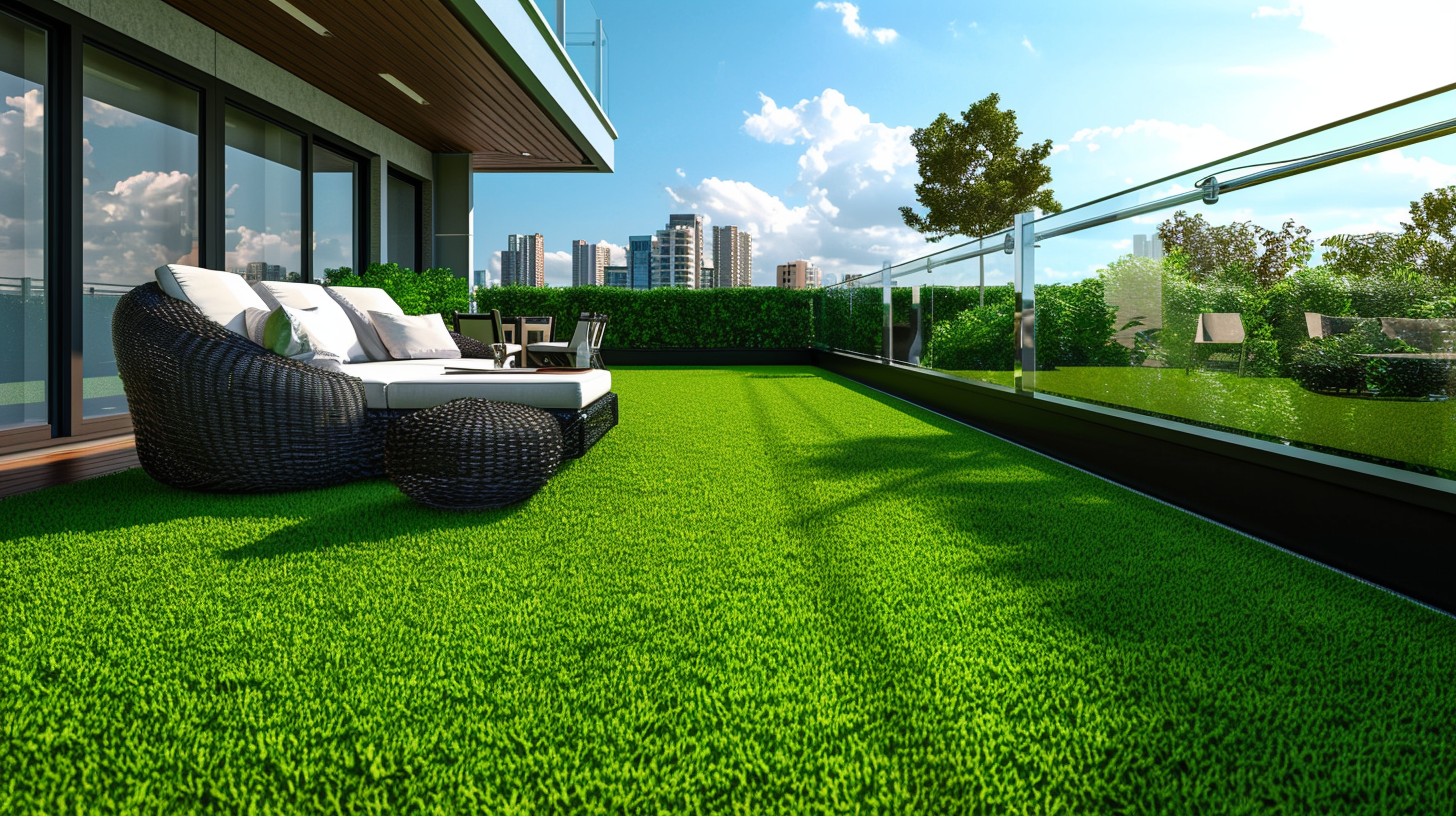
Every DFW homeowner considering artificial turf eventually asks the same question: is it actually better than natural grass, or just different? The honest answer depends on what you're looking for — but for most North Texas homeowners, the comparison isn't close once heat, water restrictions, and long-term maintenance enter the picture.
Natural grass in DFW needs significant watering to survive summer heat, and that's before accounting for periodic municipal water restrictions that make consistent watering difficult even when a lawn desperately needs it. Artificial turf requires zero irrigation, eliminating one of the biggest ongoing costs and headaches of lawn ownership.
Natural grass in North Texas goes through visible seasonal cycles — lush in spring, stressed and brown through peak summer heat, and often patchy through winter dormancy. Artificial turf maintains the same lush, green appearance in July as it does in January, with no seasonal die-back at all.
Natural grass requires regular mowing, edging, fertilizing, weed control, and aeration — an ongoing time and financial commitment that adds up significantly over the years. Artificial turf maintenance is limited to occasional rinsing, brushing, and debris removal, cutting lawn care time down to almost nothing.
High-traffic areas — play spaces for kids, high-use pet zones, spots near gates and walkways — wear down natural grass quickly, often leaving bald patches that require reseeding. Artificial turf is built to handle consistent heavy use without those bald spots forming.
While artificial turf has a higher upfront installation cost than seeding a new lawn, it eliminates ongoing costs — water bills, lawn care services, fertilizer, and reseeding — that add up substantially over a turf lawn's 15-to-20-year lifespan.
Artificial turf eliminates the water usage associated with natural grass, along with the fuel and emissions tied to regular mowing — a meaningful factor for homeowners looking to reduce their yard's environmental footprint in a drought-prone region.
For homeowners who want a lawn that looks consistently great with minimal time investment — especially in a climate as demanding as North Texas — artificial turf typically wins the comparison. For those attached to the feel of natural grass and willing to invest ongoing time and water, natural grass remains an option, just a higher-maintenance one.

Curious what artificial turf could do for your specific space? Book your free estimate and let's talk through your options.


.svg)
.svg)